New Global Agreement adopted at the UN Biodiversity Conference (CBD COP15)
Introduction:
The Convention on Biodiversity Conference (CBD) was adopted on 22nd May 1992 and opened for signature on 5th June 1992 at the UN Conference on Environment and Development held in Rio de Janeiro, Brazil also known as the “Earth Summit”. The CBD came into force on 29th December 1993. There are currently 196 parties to the Convention, which aims to promote the conservation of biodiversity, the sustainable use of its components, and the fair and equitable sharing of benefits arising from the use of genetic resources.
The Conference of Parties (COP) is the governing body of the Convention. In recognition of the importance of conserving Uganda's rich and unique biodiversity, Uganda signed and ratified the CBD on 12th June 1992 and 3rd September 1993 respectively.
Three protocols have so far been adopted under the Convention. These are;
The Cartagena Protocol on Biosafety (January 2000, Montreal Canada), which addresses the safe transfer, handling and use of living modified organisms (LMOs) that may have adverse effects on biodiversity, taking into account human health, with a specific focus on transboundary movements. It came into force on 11th September 2003 and currently has 173 parties, of which Uganda is party having ratified the protocol in 2001.
The CPB required each party to the CBD to implement a national legal framework for the safe development and commercialisation of GMOs or Living Modified Organisms (LMOs). Uganda introduced the National Biotechnology and Biosafety Bill in 2012 to satisfy that requirement and also ensure that the country could safely continue to use emerging biotechnologies to modernise its agricultural system and enhance its industrialisation efforts. This Bill is yet to be passed. It is imperative that it is passed, so as to provide credibility to the inventions so far done and being done by the scientists, and to encourage more innovations.
- The Nagoya-Kuala Lumpur Supplementary Protocol on Liability and Redress to the Cartagena Protocol on Biosafety (October 2010, Nagoya, Japan) provides for international rules and procedures on liability and redress for damage to biodiversity resulting from LMOs. It came into force on 5th March 2018 and currently has 52 parties, of Uganda is party having ratified the protocol in 2014.
- The Nagoya Protocol on Access to Genetic Resources and the Fair and Equitable Sharing of Benefits arising from their Utilisation (Access and Benefit Sharing, October 2010, Nagoya) sets out an international framework for the fair and equitable sharing of the benefits arising from the utilisation of genetic resources, including by appropriate access to genetic resources and transfer of relevant technologies, taking into account all rights over those resources and technologies; and by appropriate funding, thereby contributing to the conservation of biodiversity and the sustainable use of components. It came into force on 12th October 2014 and currently has 138 parties.
Global Biodiversity Framework:
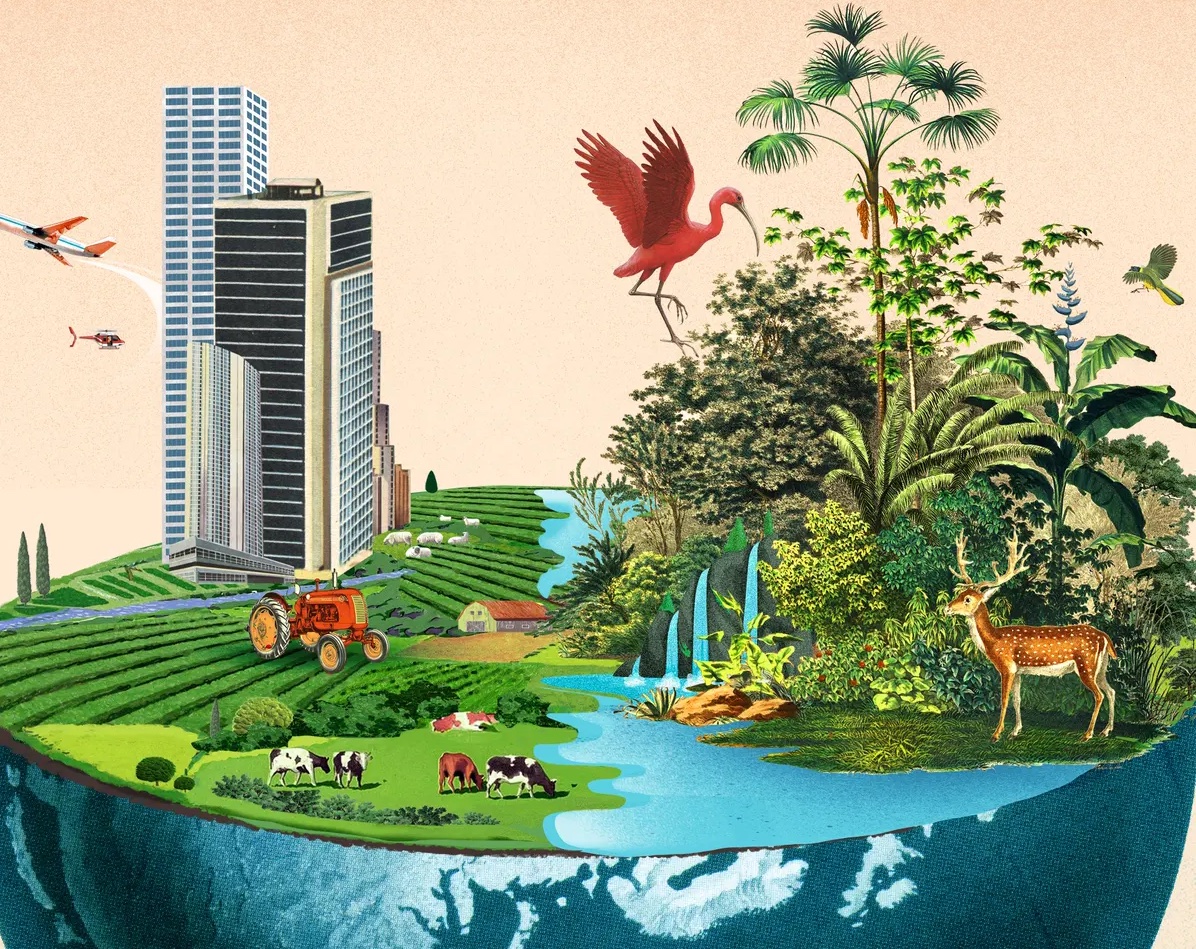
The 15th UN Biodiversity Conference (CBD COP 15) was held in Montreal, Canada, 7th-19th December 2022. At the meeting, the Parties adopted a new global agreement to stop destruction of nature and reverse the trend. This new roadmap is known as the Global Biodiversity Framework (GBF). It replaces the Aichi Biodiversity Targets, the previous CBD framework for the period 2011-2020 whose mandate was to take effective and urgent action to halt the loss of biodiversity.
The aim of this agreement is to stop the trend of biodiversity loss and reverse the trend by 2030. The agreement was reached upon after long and difficult negotiations. This success in agreeing on the framework reflects the great determination exhibited by the parties to put an end to biodiversity loss. The meeting adopted medium term goals for 2030 and long term goals for 2050. These include, for instance halving global food waste and the spread of invasive alien species.
Briefly the key targets are;
- By 2030, to effectively conserve at least 30% of the world’s terrestrial, inland water, coastal and marine areas through protected areas and other effective area based conservation measures.
- Ensure that at least 30% of degraded terrestrial, inland water, coastal, and marine ecosystems are under effective restoration by 2030.
- Improve connectivity of biodiversity through green and blue spaces in urban areas.
- To halve risk to human health and the environment from pesticides and hazardous chemicals and to reduce the environmentally harmful subsidies by US$ 500 million.
- To secure additional funding needed to implement the global biodiversity framework, by 2030, US$ 200 billion will be mobilised each year for global biodiversity conservation.
- To give developing countries targeted support in implementing the framework. To that end, the Global Environment Facility (GEF) will also set up a Global Biodiversity Framework Fund. Implementation in countries of the Global South will be supported with US$ 20 billion by 2025 and 30 billion by 2030.
- Parties to take measures to encourage and enable private sector to disclose and act on negative impacts on biodiversity
The main drivers of the unprecedented biodiversity loss are changes in land and sea use, direct exploitation of organisms, climate change, pollution and invasive alien species.
Conclusion:
The new global framework designed to promote living in harmony with nature, aims to facilitate, enable and fund action necessary to address biodiversity loss. It is expected to strengthen biodiversity policies at all levels in the public and private sectors, especially through the update of national biodiversity strategies and action plans.
The adoption of GBF made this COP a success. The GBF has been termed as an inclusive, comprehensive, fairly SMART and rather ambitious new plan bringing the world a step closer to living with nature. Whether it has the potential to transform biodiversity governance, stop and reverse the current trends of biodiversity loss, and help humanity make peace with nature, only time will tell.