Key Issues on the agenda at COP 27
The United Nations Framework Convention of Climate Change (UNFCCC) 27th Meeting of the Conference of Parties (COP 27) will be convened in Sharm el Sheikh, Egypt from 6th November 2022 to 18th November 2022.
This meeting takes place against a backdrop of global geopolitical and climate crises thus emphasising the need for nations to push for tangible progress at this year’s gathering.
The world has been affected differently by climate change as observed through a number of reports. Huge effects have been seen in developing countries that have suffered tough droughts, floods and other climate-related catastrophes. Therefore, it is imperative that countries take key steps towards addressing these pressing climate issues. To that end, below are some of the topics that are likely to make it to the COP 27 agenda;
Financing Climate Change loss and damage
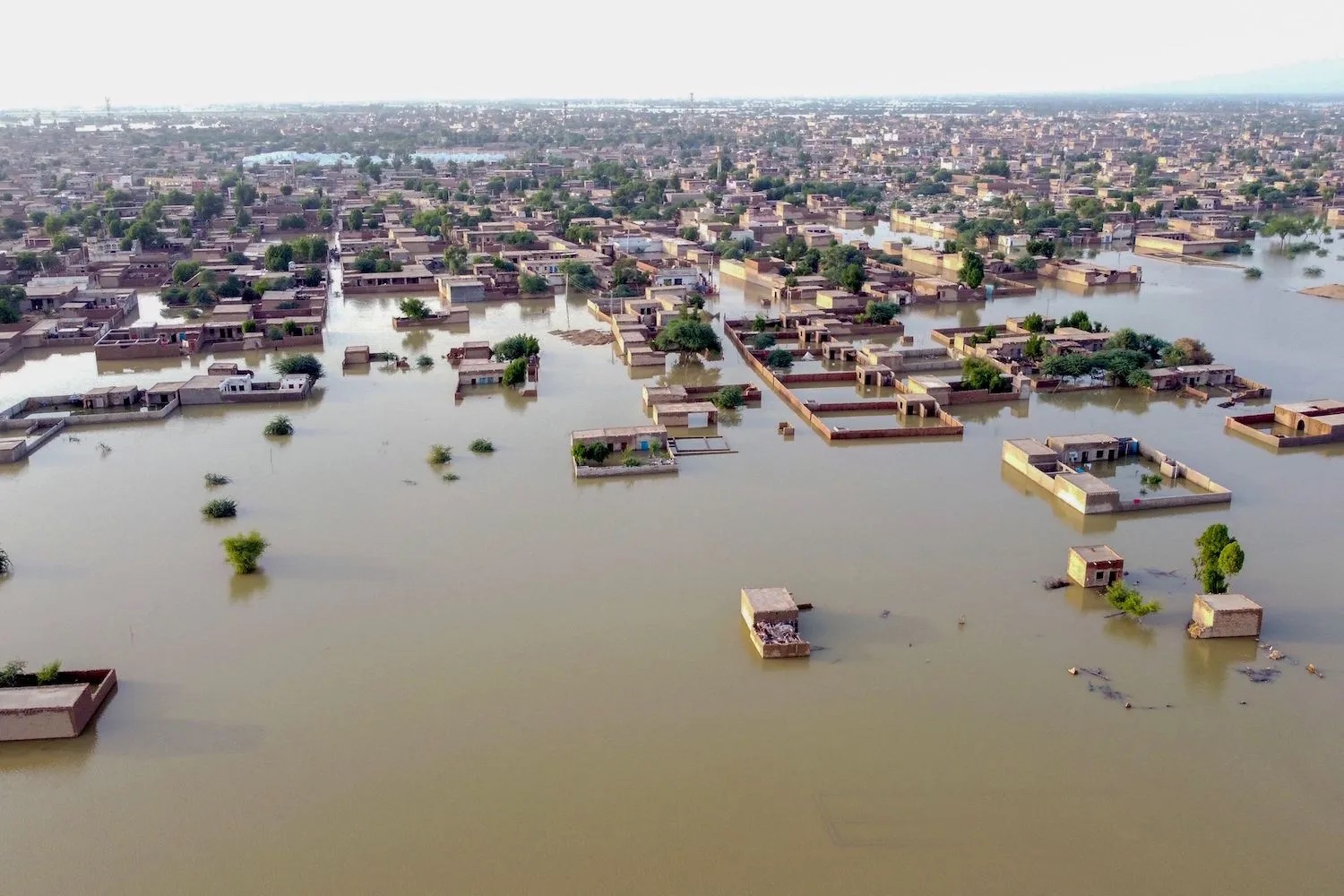
At COP 26, compensation for loss and damage suffered by the developing countries as a result of climate change was raised by the Group of 77 (G77) and China. However, this proposal was sidelined by the United States and the European Union (EU). After a year rife with natural disasters, this topic will be back for debate pushing for a creation of a facility for loss and damage. It should be noted that some developed countries have already made significant loss and damage contributions with Denmark being the most recent. Some experts are of the view that such finance comes in form of grants mainly. We wait to see how this takes shape.
- Sustaining Adaptation Projects
 The developing countries are looking at funding for adaptation projects. At COP 26, developed countries agreed to double their financial commitments towards helping vulnerable communities adjust to climate change. This pledge is valued at about $40 billion per year. At this year’s meeting, the focus will shift to procuring funding and determining how this funding can be allocated to communities that most need it. Adaption is required for sustainability and survival.
Global Carbon Markets
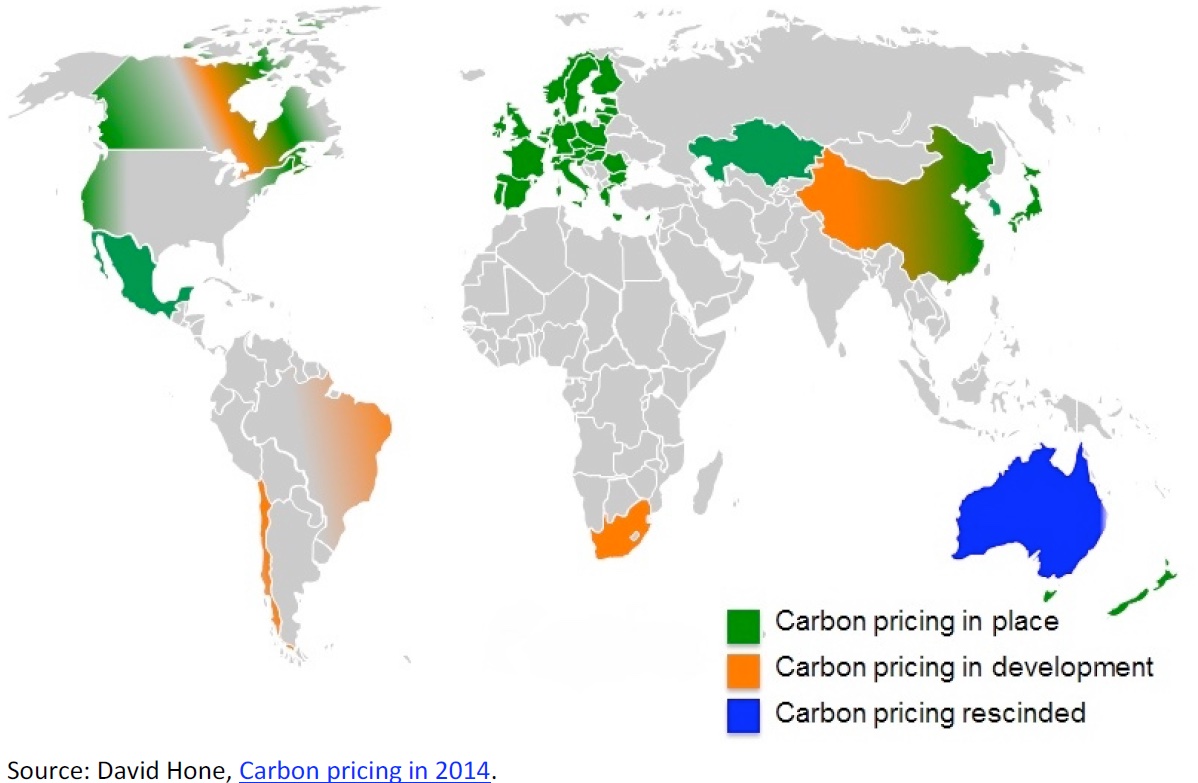
One of the key outcomes of the COP26 was the approval of Article 6 – the Paris Agreement’s rulebook governing carbon markets. Article 6 of the Agreement puts in place a mechanism that allows for countries to transfer carbon credits.
The global carbon markets sound ordinary but they are technical. Whereas these markets are consequential, the developing countries that contribute the least to global emissions have been left out of this potential lucrative scheme.
To that end, it will be imperative for the meeting to debate and push for more involvement of developing countries in this global carbon markets scheme. This is so because most of these countries are home to vast territories of forests and other natural ecosystems that are required to absorb greenhouse gas emissions. An effort to pay these countries to preserve these ecosystems will be a move in the right direction.
Accountability of Nations
COP 26 ended with a clarion call for nations to review their 2030 Nationally Determined Contributions (NDCs) and ensure that they align with the United Nation’s goal of reducing the global temperature rise to 1.5 degrees Celsius.
At this year’s meeting, countries will be under pressure to present evidence of progress toward their climate commitments and funding targets. It is only 23 nations that have proposed updated plans in line with the temperature target ahead of COP 27. More will be demanded from the rest of the other nations.
Conclusion:
COP 27 comes at a time when reliance on fossil fuels has been on the increase largely due to Russia’s invasion of Ukraine that destabilised the energy markets. Secondly, the Intergovernmental Panel on Climate Change (IPPC) has over time found that the impacts of climate change were worsening. To that end, as climate leaders gather once again, it will be imperative that they cooperate to address the issues at hand in order to make progress on addressing climate change.
We will provide updates regarding COP 27 as it unfolds. For more information about the meeting visit UNFCCC COP27.The content of this article is intended to provide a general guide to the subject matter. Should you want specialist advice, please get in touch with our Mr. Kefa Kuteesa Nsubuga on telephone no. +256 393 256620.